Every year, 7.6 million tonnes of food is wasted across the Australian food system.
This waste costs the Australian economy over $36 billion a year and emits 17.5 million tonnes of CO2 equivalent greenhouse gases, which is around 3% of Australia’s national greenhouse gas emissions. (FIAL, 2021).
Any food that ends up in the bin instead of being eaten is food waste. Some food waste (like bones and peels) isn’t edible, but most food waste in Australia is actually edible (70%!), so the best place for it is on our plates, not in the bin.

From farm to fork — food waste can happen at every step it takes to grow food and get it to your table. Businesses, government, community organisations and individuals like you all have an important role in turning food waste around.
Some great steps are being taken by the people who grow, manufacture, transport, cook and sell our food to reduce Australia’s food waste footprint. To learn more about reducing food waste across the supply chain, check out the Australian Food Pact.
Surprisingly, more food waste in Australia comes from the home (32%) than in any other part of the supply chain – so we also need you to join us in our mission to reduce food waste.
Why does the food waste in homes matter?
Currently, Australian households throw out almost 2.5 million tonnes of food each year. Over half of the food wasted in homes is edible, or the equivalent of 7.7 million meals of perfectly good food every single day.
Of course, nobody sets out to waste food, but the reality is we all waste more than we think. Twice as much in fact. But by all of us making simple changes, turning food waste around isn’t an impossible challenge.
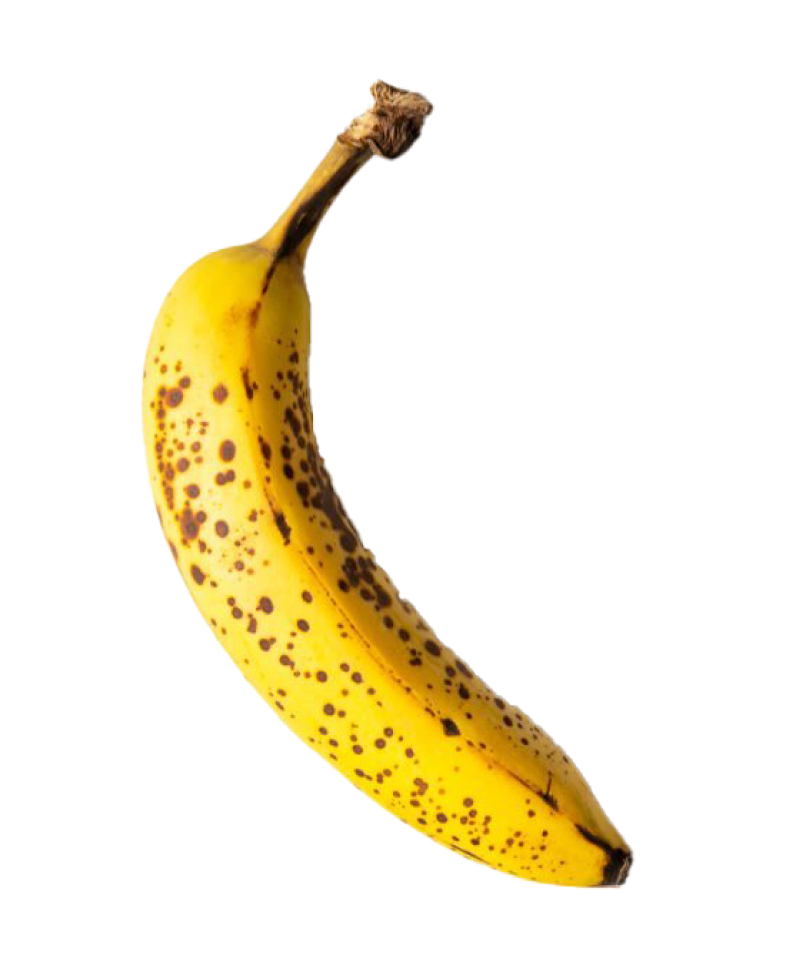
Eat the banana, compost the peel!
Some Australians compost at home, feed food to pets or have curbside organics collection, which is great! If you’re able to, these can be good ways for you to dispose of your inedible food waste (like peels or cores), but when we throw edible food in the bin it’s costing the planet and our pockets. Keeping edible food waste out of the bin altogether is the best way to reduce the impact of food waste.
What about plastic food packaging?
Avoiding unnecessary or excessive food packaging is another good way to unwaste, and we love seeing sustainable materials being used to pack food. It’s important to remember though, sometimes food packaging has been carefully designed to keep your food fresher for longer, or protect it during storage or transport. In Australia, the environmental impact of food waste is actually worse than food packaging.
What's the impact?

When every household in Australia unknowingly wastes just a little bit here and there, it quickly adds up. So, let’s break down how household food waste impacts people, the planet, and our pockets.

Our Planet
10% of Global Greenhouse Emissions
10% of all global greenhouse gas emissions are caused by food waste.
Food waste has a bigger impact on the environment than many people realise. It contributes significantly to greenhouse gas emissions in landfill, but also wastes valuable resources like water, energy and land. A lot of hard work and resources goes into growing food and getting it to you, so when it gets thrown away it’s a lot more than food being wasted.

Our Pockets
Over $2,500 wasted per year
The average Australian household is spending around $2,500 each year on food that doesn’t make it to the kitchen table.
Food waste hits our wallets hard, costing Australian households $19.3 billion annually. Saving food means saving money at time when cost of living pressures continue to bite, and no one can afford to be wasting food. Add in the costs of picking up, transporting and disposing of all of that food waste – the price we pay for food waste in Australia very quickly adds up.

Our People
7.7 million meals are wasted every day
Every day, an astonishing 7.7 million meals are wasted across Australian households. All of this is happening while 1 in 5 Australians struggle with food insecurity, not knowing where their next meal will come from. By all of us using what we have more consciously, we can make sure the precious food grown in Australia reaches where it’s needed most – feeding Australians, not being turned into waste.


What Can I Do?
The good news is that reducing your food waste is one of the easiest ways for you to make a big difference to the planet and your pocket! – start unwasting today!
Step 1
Join The Great Unwaste
By signing up to The Great Unwaste, and following us on our social channels, you’re helping grow the movement. Whether you’re just beginning your unwasting journey or are already a master unwaster, you’re just a few clicks away from learning new tips and tricks to unwaste at home.


Step 2
Start unwasting
By doing more of these seven easy ways to unwaste.
Step 3
Become a champion of The Great Unwaste
By sharing your unwaste journey with your friends, family and community, you’re helping show others that they can unwaste too.
We can’t reach a nation without you! By helping people around you to unwaste, you’re helping them save the planet and their pocket too.

FAQs
What is food waste?
Food waste is food we buy to eat, but don’t end up using. In our homes, this often includes forgotten leftovers, wilted vegetables, or meals that were cooked but not finished. Reducing food waste starts with simple everyday habits that help us use more of what we already have.
Food waste includes any food that was once edible but is not eaten. Even if food is composted, placed in the green bin or fed to pets, it is still considered waste because it was not consumed. While these options are better than landfill, preventing the waste in the first place has the greatest impact.
The good news is that small changes at home can make a meaningful difference.
How much food does the average household waste in Australia?
Australian households waste a significant amount of food each year, much of it still perfectly edible. Nationally, 7.6 million tonnes of food is wasted each year, and households are one of the largest contributors.
Why is food waste bad for the environment and our wallets?
When we waste food, we waste the money spent buying it, often adding up to thousands of dollars per household each year. We also waste the water, energy and effort used to grow and transport it. Once food ends up in landfill, it produces greenhouse gases that contribute to climate change. Wasting less food helps your budget and the planet at the same time.
How can I reduce food waste at home?
You can reduce food waste by planning meals, checking your fridge before shopping, storing food properly and using your freezer to save food before it spoils. Cooking the right portions and getting creative with leftovers also makes a big difference. Small, consistent actions add up and help turn food waste around, one meal at a time.
To start unwasting more food, we’ve developed seven easy ways to start making a meaningful impact. Join the great unwaste to learn more: https://thegreatunwaste.com.au/join-the-great-unwaste/