Think you’re great at preventing food waste?
Complete the quiz to discover what makes you a #GreatUnwaster. Whether you’re a perfect planner, a sensible stacker or a resourceful rescuer, this quiz will unveil your food-saving superpower.
FAQs
How can I save food at home?
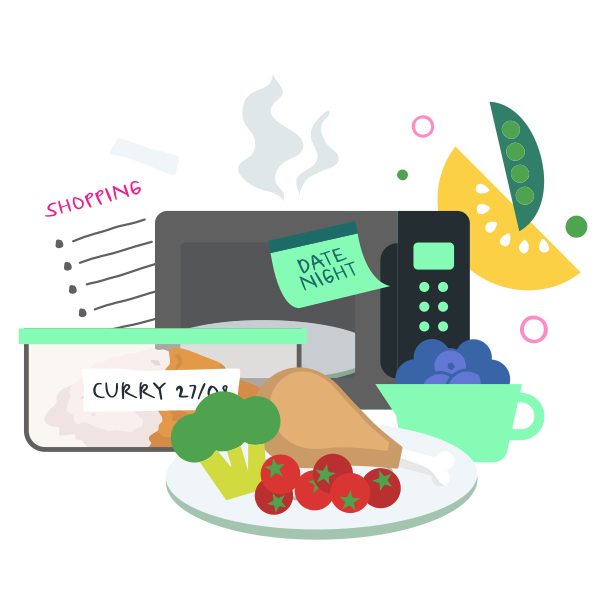
You can save food at home by planning meals, checking your fridge before shopping, storing food correctly and using leftovers before they spoil. Freezing meals, rotating older items to the front of the fridge and cooking the right portions also help reduce waste.
To start unwasting more food, we’ve developed seven easy ways to start making a meaningful impact. Join the great unwaste to learn more: https://thegreatunwaste.com.au/join-the-great-unwaste/
Why is saving food at home important?
Saving food reduces household grocery costs and cuts down the amount of food sent to landfill. It also ensures the water, energy and effort used to produce that food are not wasted. Small changes at home contribute to Australia’s broader goal of reducing food waste.
What storage tips help keep food fresh for longer?
Store food in airtight containers and keep your fridge at the correct temperature. Some fruits release ethylene, a natural ripening gas that can cause nearby produce to spoil faster. Keep high-ethylene fruits like bananas, apples and avocados separate from vegetables and other fresh foods that are more sensitive. Label leftovers and place older items at the front so they are used first. Proper storage helps food stay fresh for longer and reduces waste.
How does saving food at home help the environment?
When food is thrown away, it generates greenhouse gas emissions in landfill and wastes valuable natural resources. By wasting less food at home, households reduce emissions, conserve water and energy, and help lower overall environmental impact.